/* Start the Loop */

Webinar

How CAI Power Events & Protect Website Performance with DAM

Many organizations treat Digital Asset Management as a storage system. CAI (Community Associations Institute) took a different approach, transforming their DAM into a content activation engine.

In this fireside chat, Cori Canady, VP of Communications, Marketing & Creative at CAI, discusses how her team reimagined asset distribution to expand content reach and protect website performance - ultimately reducing site strain, improving search visibility, and accelerating access to event materials for members and stakeholders.


Learn how CAI:

  • Turned their DAM from a “file cabinet” into a scalable content activation system
  • Used Portals to distribute high-volume event assets without impacting website speed
  • Improved SEO, increased event visibility, and supported attendance growth

Webinar HOTDAM TALKS CAI Hero

Speakers

Cori Canady, Community Associations Institute

Cori Canady

VP of Communications, Marketing & Creative, Community Associations Institute

It’s time for a better DAM system.

Choosing MediaValet is about more than storage—it’s choosing a partner that empowers your team to do more. Ready to work smarter and scale faster? Book a demo today.

  • Scale without limits with unlimited users
  • Budget accordingly with transparent pricing from day 1
  • Unlock core AI capabilities that save hours every week
  • Accelerate implementation and ROI
  • Improve brand consistency with embedded tools
Report

Integrating Content Ecosystems with DAM and AI

Most organizations don’t have a content problem. They have a connection problem. 

Read the report

Content already exists across the modern technology stack. Creative assets live in design tools. Campaign materials sit in project management systems. Approved files are stored in digital asset management platforms. Finished content is published through CMS platforms, email tools, portals, and social platforms. 

But despite this abundance, content rarely moves intelligently between systems. Why? Because integration frameworks are weak at best, and content ecosystems are not truly connected. The “glue” connecting these systems is often manual work; files are downloaded from one platform, renamed locally, and uploaded into another system. Metadata is copied by hand, recreated from scratch, or maybe not even carried over at all. This manual approach introduces significant operational risks, including: 

  • Version confusion when multiple copies of the same asset exist 
  • Lost metadata that breaks search and governance 
  • Delays in publishing campaigns 
  • Brand and compliance risks when outdated assets are reused 

Real World Scenario

A campaign is going live on Friday. The approved hero image is uploaded into the DAM from Photoshop, the marketing manager needs it tagged in Wrike, the digital manager needs it in Wordpress. Three different people download the same file, rename it 3 different ways, and re-upload it to 3 different places. By Tuesday, there are four versions in circulation and nobody knows which one is approved. This isn’t a content volume problem, it’s a connection problem.

And according to the 2026 AVP DAM Trends Survey of 105 practitioners, integrations ranked as the #2 DAM challenge. Cited more frequently than automation, metadata, governance, and adoption, it highlights how widespread this challenge has become. While digital asset management systems remain central to content operations, many organizations still struggle to operationalize their DAM across the rest of their technology ecosystem. 

The future of content operations isn’t simply about managing content more efficiently. It’s about activating content across a connected ecosystem, where assets, metadata, and workflows move seamlessly between systems. In this model, DAM becomes more than a storage repository. It becomes the operating layer that connects the content ecosystem, enabling teams to activate content wherever work happens. 

Chapter 1

The Shift from Content Management to Content Activation

Content operations are undergoing a structural shift. Marketing, creative, and digital teams are being asked to produce more content and distribute across more channels than ever before. At the same time, teams are expected to deliver this output with fewer resources. 

To meet these demands, organizations have adopted an expanding ecosystem of specialized tools. And while each tool solves an important problem, together they create a new challenge: content now flows through an increasingly complex ecosystem of tools.  

Key Takeaways

  • Content operations are undergoing a structural change.
  • More channels, increasing personalization, smaller headcount, and higher compliance pressure are contributing to this shift.
  • Content management is yesterday’s problem, going forward, organizations need to prioritize content activation.
  • AI will not enable this, only emphasize any weakness in content management foundations.

Why This Shift Is Happening Now 

Several forces are accelerating this transition. 

More channels and formats

Content must now support websites, social media, email campaigns, mobile applications, partner portals, video platforms, and more. Each channel requires different formats and variations of the same assets. 

Higher expectations for personalization

Organizations are increasingly expected to tailor content to specific audiences, regions, and customer segments. This dramatically increases the volume of assets required to support a single campaign. 

Smaller teams with higher output expectations

Despite rising content demands, marketing and creative teams are not expanding at the same pace. Teams must produce significantly more output without proportionally increasing resources. 

Governance and compliance pressure

Organizations must maintain strict control over brand consistency, copyright usage, licensing rights, and regulatory compliance. These requirements make manual content management processes increasingly risky. 

Together, these pressures are pushing organizations toward a new model of content operations. One where content is not simply managed, but activated, and this requires some definition updates. 

What is Content?

In modern content operations, content is not simply a file. Content is a combination of multiple components: 
Content = Asset + Metadata + Context + Rights + Expiry + Usage Rules 

What is Content Management?

Content management is the process of organizing, storing, governing, and maintaining digital content and its associated metadata so it can be discovered, used, and controlled across an organization. 

What is Content Activation?

Activated content is content that: 

  • Moves between systems without manual rework 
  • Retains metadata, rights, and contextual information across platforms 
  • Triggers workflows automatically as it moves through the content lifecycle

A file is not content in the modern sense. 
A file without metadata is unusable at scale. 
A file that has metadata that does not travel is meaningless. 

Importantly, this evolution is not solely about artificial intelligence. While AI plays an important role in improving tagging, discovery, and personalization, many organizations see AI as an accelerant. However, the data shows metadata and integrations, i.e., the foundations AI depends on are still unresolved priorities for the majority of respondents to the AVP DAM Trends Report.  

The real transformation occurs when content can move seamlessly across systems in a connected ecosystem. When content is activated across a connected ecosystem, it enables teams to move faster, maintain governance, and scale their content operations without scaling their teams. 

Chapter 2

The Truly Connected Content Ecosystem

A connected content ecosystem is the operational framework where digital content moves between the platforms that create it, manage it, distribute it, and evaluate its performance. This environment is what we refer to as the connected content ecosystem. 

According to the 2026 AVP DAM Trends Survey, organizations increasingly expect their DAM to operate within this broader ecosystem rather than as a standalone repository. DAM platforms are expected to coordinate workflows, support governance, and enable content to move across the technology stack. In practice, most organizations operate across several categories of systems. 

Key Takeaways

  • A connected content ecosystem is the infrastructure that enables end-to-end content activation.
  • There are five layers of the content ecosystem.
  • The missing layer from many content ecosystems is a strong integration network that ensures content and metadata travels through systems intact.

The Five Layers of the Content Ecosystem 

Systems of

Record 

Systems of record store and govern digital assets and their associated metadata. These platforms maintain the authoritative version of content and enforce governance rules such as permissions, rights management, and metadata standards. Examples include: 

  • Digital Asset Management (DAM) platforms 
  • Product Information Management (PIM) systems 
  • Content Management Systems (CMS) 

Within the ecosystem, the DAM typically serves as the central system of record for brand and marketing assets. 


Systems of

Work

Systems of work coordinate the processes that move content through production and approval. These platforms manage requests, tasks, collaboration, and approvals, ensuring that teams know what content needs to be produced and how work progresses through the pipeline. Examples include: 

  • Project management platforms such as Wrike, monday.com, and Asana 
  • Proofing and approval platforms like PageProof 

Systems of

Creation

Systems of creation are where content is produced. Creative teams rely on specialized tools to design, edit, and assemble the assets that power campaigns and digital experiences. Examples include: 

  • Adobe Creative Cloud applications 
  • Video production tools 
  • Template-based design platforms such as Marq

Systems of

Delivery

Systems of delivery distribute content to the channels where audiences interact with it. These platforms publish assets to websites, social media platforms, email campaigns, and partner or customer portals.  Examples include: 

  • Content management systems like WordPress or Contentful 
  • Marketing automation platforms 
  • Social publishing tools like HootSuite 
  • Brand portals and distribution platforms 

Systems of

Insight

Systems of insight measure content performance and provide feedback on how assets are used. Analytics platforms track engagement, campaign performance, and asset utilization, helping organizations understand which content delivers value. Examples include: 

  • Marketing analytics tools 
  • Digital experience analytics platforms  
  • Campaign performance dashboards 

The Missing Layer 

While these systems collectively support the content lifecycle, the ecosystem only functions effectively when they are connected. Assets and metadata must move between systems in a consistent and reliable way. Without that capability, governance cannot persist; workflows cannot span platforms, and content operations become fragmented. 

A true connected content ecosystem requires a layer that allows content, metadata, and workflow signals to move across the entire technology environment. Without that layer, organizations are not operating an ecosystem. They are operating a collection of isolated tools. 

The next chapter explores how organizations build toward this connected model through a maturity path that progresses from metadata foundations to integrations, workflow automation, and AI-enabled operations. 

Chapter 3

The Content Activation Maturity Path 

Building a connected content ecosystem doesn’t happen all at once. Most organizations progress through a series of operational stages as they mature their content infrastructure. 

These stages reflect how well an organization can move content, metadata, and workflows across its technology ecosystem. AVP explains these stages as “interrelated concerns that reflect a specific maturity path”. At the foundation are structured assets and metadata. From there, organizations begin connecting systems through integrations. Once systems are connected, workflows can be automated across platforms. Finally, artificial intelligence can accelerate discovery, personalization, and optimization. 

Each stage builds on the one before it. If the foundation is weak, the layers above it cannot function effectively.  

Key Takeaways

  • There are four stages of content ecosystem maturity: metadata, integrations, workflows and automations, and AI.
  • Most organizations are stuck somewhere between stage 1 and 2 [Metadata and Integrations].
  • Achieving maturity is not aspirational, it’s diagnostic.
  • Click here to read the full AVP DAM Trends Report.

The Four Stages of Content Ecosystem Maturity 

Stage

Role 

What it enables

Metadata 

Foundation  

Discoverability, governance, compliance 

Integration

Enabler 

Systems connect and assets move with metadata 

Workflows & Automation 

Value Layer 

Trigger-based workflows and reduced manual handoffs 

AI  

Accelerant 

Tagging, discovery, optimization, and personalization 

Stage 1

Metadata
(The Foundation)

Every connected content ecosystem begins with structured metadata. Metadata provides the context that makes assets usable at scale. It defines how assets are categorized, who can access them, where they can be used, and when they expire. Without consistent metadata, assets become difficult to find and impossible to govern.

Real World Scenario

You need to find an approved product image with specific usage rights. Because the asset has structured metadata [file type, expiry date, usage restrictions] you locate it in seconds and can confirm it’s cleared for use.

This stage enables: 

  • Reliable asset discovery 
  • Governance and rights management 
  • Consistent taxonomy and classification 
  • Compliance with usage and licensing requirements 

However, metadata alone does not activate content. It simply prepares the system for connection. 


Stage 2

Integrations (The Enabler)

Once metadata is structured, organizations can begin connecting systems. Integrations allow assets and metadata to move between platforms such as creative tools, project management systems, and publishing environments.

Real World Scenario

A file is moved from the DAM into your publishing tool. Because the systems are connected, the metadata travels with it. There’s no manual re-entry or no lost rights information.

This stage enables: 

  • Assets and metadata to move together between systems
  • Teams to access approved content directly from the tools they already use 
  • Reduced duplication of files across platforms 

However, metadata alone does not activate content. It simply prepares the system for connection. 


Stage 3

Workflow & Automation
(The Value Layer) 

When systems are reliably connected, organizations can begin automating content workflows. At this stage, workflows are triggered by events rather than manual intervention. Approvals, publishing actions, and distribution can occur automatically based on predefined rules. 

Real World Scenario

A task is marked complete in your project management tool. That action automatically triggers the final asset to upload directly into the DAM, tagged and ready with no manual handoff needed.

This stage enables: 

  • Automated approvals and publishing workflows 
  • Reduced manual handoffs between teams 
  • Faster campaign execution 
  • Consistent governance across systems 

Automation transforms DAM from a storage environment into a workflow orchestration layer within the content ecosystem. 


Stage 4

AI (The Accelerant) 

Artificial intelligence becomes most effective once the foundational infrastructure is in place. AI systems rely on structured data, consistent metadata, and connected platforms in order to function effectively. 

Real World Scenario

A new file is uploaded to the DAM. AI automatically applies relevant tags and metadata based on the asset’s content, so it’s immediately discoverable without anyone lifting a finger.

At this stage, AI can accelerate content operations by enabling: 

  • Automated tagging and metadata enrichment 
  • Faster asset discovery 
  • Content recommendations and personalization 
  • Performance optimization across campaigns 

However, AI cannot compensate for weak foundations. If metadata is inconsistent or integrations are incomplete, AI simply amplifies existing inefficiencies. 


Where Most Organizations Are Today 

Most organizations currently operate somewhere between Stage 1 and Stage 2. Metadata may exist, but it is often inconsistent. Integrations are present but limited, frequently moving assets without preserving metadata or governance rules. As a result, workflows still depend heavily on manual coordination between systems. 

The path forward is clear, but the execution gap remains significant. The maturity model above is not aspirational. It is diagnostic. It allows organizations to identify where their content operations stand today, understand the friction points holding them back, and determine what capabilities are required to move to the next stage. The ultimate goal is to transition from a repository-based model of content management to one focused on orchestration and automation, where manual handoffs disappear, and content flows seamlessly across the ecosystem. 

Chapter 4

Building the Integration Layer of the Content Ecosystem

As organizations build connected content ecosystems, integrations quickly become one of the most critical, and most misunderstood, parts of the architecture. Many platforms advertise large marketplaces of integrations, often represented by rows of logos and while these integrations signal compatibility, they do not necessarily reflect how deeply systems actually work together. 

In practice, the number of integrations available is far less important than how those integrations function. When you’re looking at software options, integration depth almost always matters more than integration count. When integrations are shallow or fragile, organizations experience what can be described as the Brittle Integration Tax. 

Key Takeaways

  • The Brittle Integration Tax magnifies the operational costs of shallow or weak integrations.
  • A modern integration framework should allow content and metadata to move consistently across systems.

The Brittle Integration Tax 

The Brittle Integration Tax refers to the hidden operational cost of maintaining fragile or poorly designed integrations across a growing technology stack. Many integrations begin as simple connections between two systems. Over time, however, these connections require ongoing maintenance as tools evolve, data structures change, and workflows expand. The result is an accumulation of operational friction. 

Organizations often experience this tax through: 

  • Constant maintenance as integrations break when tools update 
  • One-off mappings between systems that cannot be reused 
  • Metadata loss or corruption as assets move across platforms 
  • Version drift when assets are copied instead of synchronized 
  • Limited visibility into how data flows between systems 
  • Difficulty troubleshooting failures when workflows break 

As integrations multiply, these issues only compound. Small changes can create cascading failures, increasing operational risk across the content ecosystem. The result is a familiar pattern: 

  • Teams revert to manual processes 
  • Duplicate assets appear across systems 
  • Workflow delays increase 
  • Governance becomes inconsistent 

In many cases, the integration layer designed to improve efficiency ultimately becomes another source of operational complexity. To avoid this outcome, organizations must evaluate integration frameworks based on their architectural capabilities, not simply their compatibility lists. 

What Modern Integration Frameworks Must Provide

A modern integration framework should allow content and metadata to move consistently across systems while maintaining governance and workflow continuity. At a minimum, organizations should expect the following capabilities. 

Bi-Directional Synchronization  

Assets and metadata should move in both directions between connected systems. Updates made in one platform should be reflected across the ecosystem without requiring manual intervention. 

Event-Driven Automation 

Workflows should trigger actions automatically based on events such as approvals, updates, or publishing actions. This enables content to move through the ecosystem without manual coordination. 

Central Governance Enforcement 

Permissions, usage rights, and asset policies should remain enforceable regardless of which connected system is being used.

Observability and Monitoring 

Integration frameworks should provide visibility into how data flows between systems, including logs, monitoring tools, and error handling mechanisms. 

Change Tolerance 

Integrations should be resilient to updates within connected platforms. Architecture that requires constant maintenance quickly becomes unsustainable as ecosystems grow. 

Extensibility 

Modern frameworks should be built with an API-first architecture that allows new systems to be connected without rebuilding existing integrations. 

Chapter 5

How to Build your Own Connected Content Ecosystem 

For many organizations, the concept of a connected content ecosystem can feel ambitious. But in practice, building toward this model does not require a full rebuild of your technology stack. 

Most organizations already have core systems in place. The opportunity lies in connecting them more effectively and allowing content to move between them with structure, governance, and automation. The following steps provide a practical starting point for organizations looking to evolve their content operations. 

Key Takeaways

  • There are 5 key steps to build a truly connected content ecosystem.
  • MediaValet has developed a new integration framework that enables true connection across the content ecosystem.

Step 1

Map Your Content Ecosystem 

Identify the systems that currently interact with content across your organization. These typically include platforms for: 

  • Asset management 
  • Project or workflow management 
  • Creative production 
  • Publishing and distribution 
  • Analytics and reporting 

The Goal
Reveal the most valuable opportunities for integration and automation. 


Step 2

Define a Metadata Model 

Define a consistent taxonomy to describe assets. A practical metadata model typically includes: 

  • Asset categories and types 
  • Campaign or project associations 
  • Usage rights and licensing rules 
  • Geographic or audience context 
  • Expiration or archival dates 

The Goal
Establish a minimum viable metadata model that supports discoverability and governance. 


Step 3

Integrate Your Highest-Impact Workflow

Start with the workflow that creates the most friction today. This might include: 

  • Moving approved assets from DAM into a CMS 
  • Connecting project requests with asset libraries 
  • Synchronizing design tools with approved content repositories 

The Goal
Demonstrate value quickly while building momentum for broader ecosystem improvements. 


Step 4

Automate Governance and Workflow Triggers

Begin to remove manual coordination. Triggers can initiate actions such as: 

  • Routing assets for approval 
  • Publishing approved assets to distribution channels 
  • Applying permissions or usage restrictions 
  • Archiving or expiring outdated content 

The Goal
Ensure governance rules are auto-applied consistently while reducing the operational burden on teams. 


Step 5

Measure and Expand

Measure how the ecosystem improves content operations. Key indicators often include: 

  • Asset reuse rates 
  • Time required to locate assets 
  • Campaign production speed 
  • Reduction in duplicate assets 
  • Decrease in manual workflow steps 

The Goal
Extend the ecosystem by connecting additional tools, automating more workflows, and enabling AI-driven capabilities. 


A New Model for Integration Architecture 

Modern content ecosystems require integration frameworks designed for adaptability and scale, rather than one-off system connections. This approach treats assets and metadata as inseparable components that move together throughout the ecosystem. It enables workflows to span multiple systems while maintaining governance and consistency. Integration frameworks built on this model allow organizations to: 

  • Build reusable integration components 
  • Reduce maintenance overhead 
  • Synchronize content in real time 
  • Extend workflows across the entire content lifecycle 

One example of this approach is MediaValet’s Unify integration framework. Unify was designed to address the limitations of traditional integrations by providing a unified architecture that connects systems while preserving asset metadata, governance policies, and workflow triggers. Ultimately, the goal is not simply to connect tools. It is to create an integration framework capable of supporting content operations at scale. 


Frequently asked questions

content ecosystem is the network of tools, platforms, and workflows your team uses to create, manage, and distribute assets. When these systems are connected, rather than siloed content moves faster, metadata stays intact, and teams spend less time on manual work. 

A DAM is the central hub where assets are stored, governed, and distributed. When integrated with other platforms like project management tools or publishing environments, it becomes more than storage; it acts as the connective tissue that keeps content and metadata consistent across your entire operation. But the effectiveness of this relies on deep, impactful integrations between systems. You can learn more about better integration frameworks here. 

AI works best once the foundational infrastructure is in place. With structured metadata and connected systems, AI can automate tagging, surface relevant assets faster, and personalize content delivery. Without that foundation, AI simply amplifies existing inefficiencies. 

A good starting point is reviewing your metadata. If assets are consistently tagged, rights are tracked, and your systems are reliably connected, you’re in a strong position to layer in AI. If those foundations are inconsistent, it’s worth addressing them first before ever investing in AI capabilities. 

Build DAM Integrations That Scale

Rather than functioning as a marketplace of connectors, Unify provides a framework for building integrations that are reusable, scalable, and resilient to system changes. This type of architecture enables: 

  • Faster integration deployment 
  • Reduced reliance on IT teams 
  • More reliable content synchronization 
  • Stronger governance across connected systems 

Webinar

How Organizations Activate Content Across Teams, Everywhere

Content management is yesterday's problem. Content activation is today’s competitive advantage.

With content living in and moving across multiple platforms, there’s no space for disconnected, standalone tools. Digital Asset Management (DAM) is still considered a storage library; but modern organizations need infrastructure, not software.


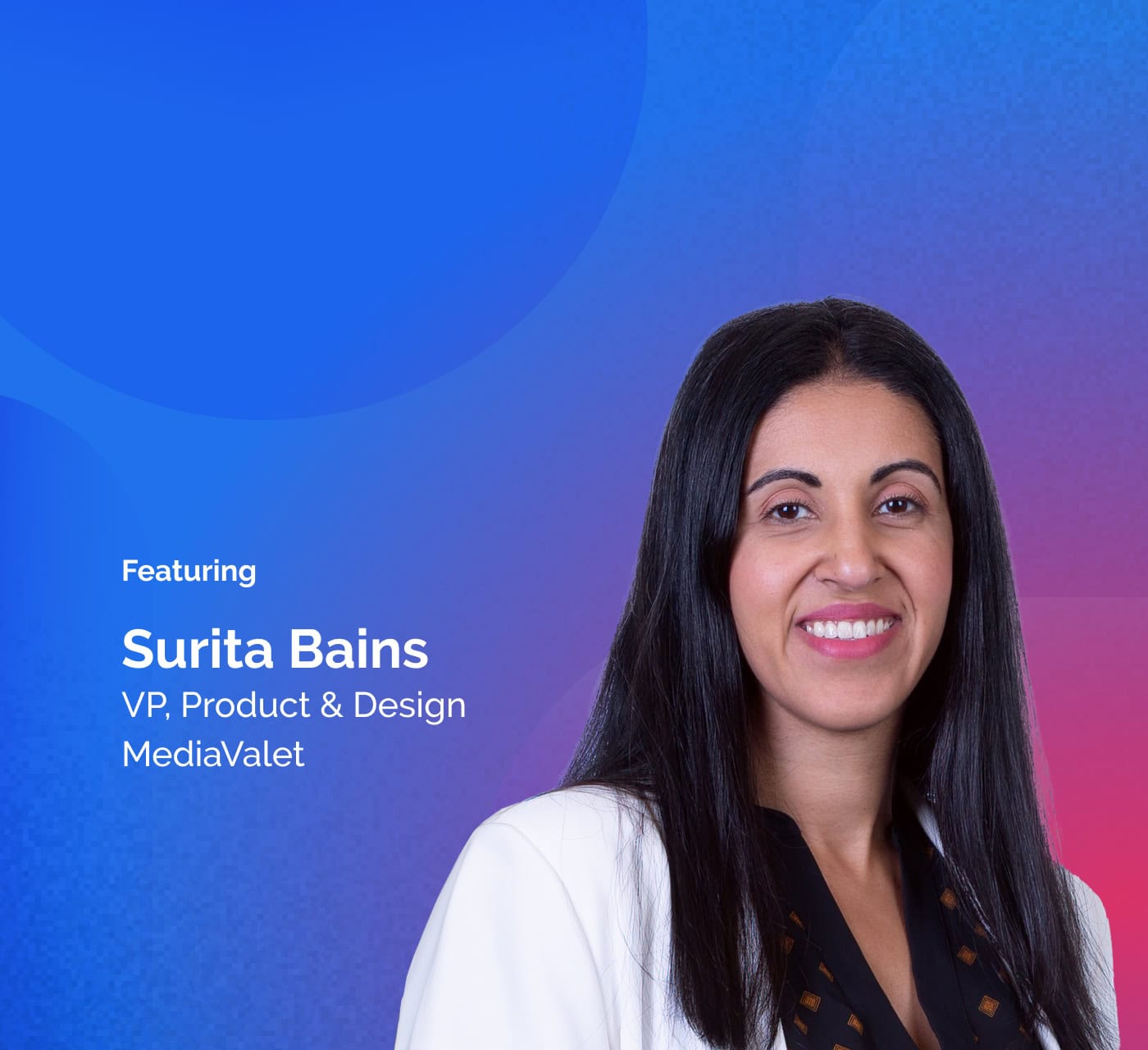
In this on-demand session, Surita Bains, VP of Product & Design at MediaValet explored:

  • The shift toward truly connected content management ecosystems
  • The role of next-generation integration layers in enabling that change, and
  • How MediaValet is redefining the role of DAM from a system of record into a system of action
Webinar Product Sessions Q1 Hero

Speakers

Surita Bains, MediaValet

Surita Bains

VP of Product & Design, MediaValet

It’s time for a better DAM system.

Choosing MediaValet is about more than storage—it’s choosing a partner that empowers your team to do more. Ready to work smarter and scale faster? Book a demo today.

  • Scale without limits with unlimited users
  • Budget accordingly with transparent pricing from day 1
  • Unlock core AI capabilities that save hours every week
  • Accelerate implementation and ROI
  • Improve brand consistency with embedded tools

Webinar

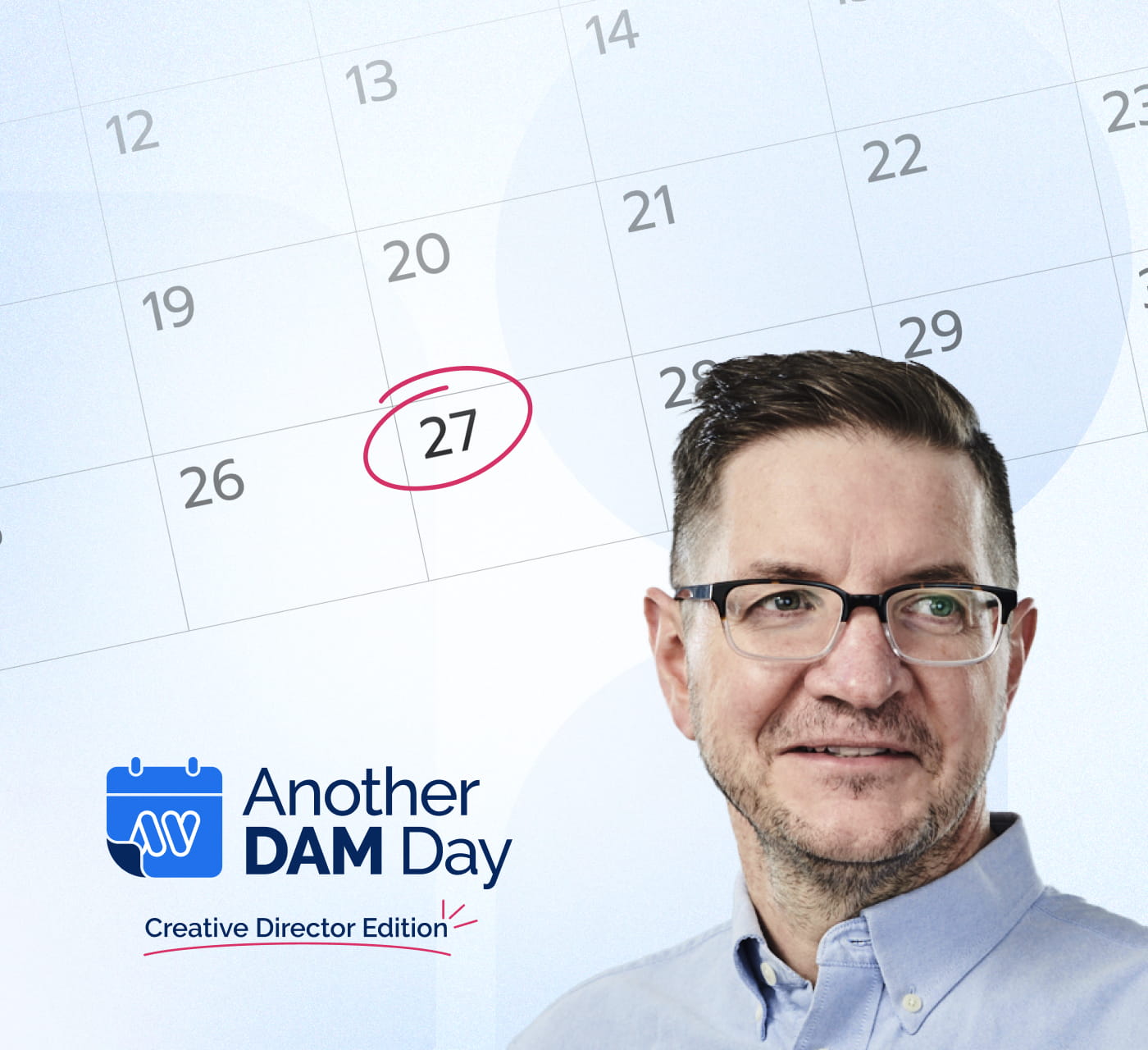
Another DAM Day: Creative Director Edition

Go inside a real creative workflow and learn how DAM supports speed, collaboration, and brand consistency. 

Join Jeff Bates, Director of Creative Marketing at MediaValet, as he shares how DAM fits into day-to-day creative work, not just idealized processes. You'll learn:

  • How creative leaders use DAM to stay organized without slowing down
  • Where DAM fits into real creative workflows (not idealized ones)
  • How to reduce rework, version confusion, and asset sprawl
  • What “good” DAM adoption actually looks like inside a creative team

Watch below for a real day-in-the-life look at how a creative director uses DAM.

Webinar Another DAM Day Creative Director Hero

Speakers

Jeff Bates MediaValet

Jeffrey Bates

Creative Director, MediaValet

It’s time for a better DAM system.

Choosing MediaValet is about more than storage—it’s choosing a partner that empowers your team to do more. Ready to work smarter and scale faster? Book a demo today.

  • Scale without limits with unlimited users
  • Budget accordingly with transparent pricing from day 1
  • Unlock core AI capabilities that save hours every week
  • Accelerate implementation and ROI
  • Improve brand consistency with embedded tools
Webinar

Optimizing the Content Supply Chain from Ideation to Distribution

Hosted by Wrike, this session dives into all things optimization when it comes to a content supply chain; all the way from an initial brainstorm idea to global, scalable distribution.

Take an in-depth look at how connected content workflows can:

  • Eliminate bottlenecks across creation, review, and approval
  • Align teams, tools, and stakeholders in one streamlined system
  • Scale content production without sacrificing quality or consistency

Learn how teams are delivering more content with less chaos, while reclaiming valuable time back in their day.

Webinar Optimizing The Content Supply Chain From Ideation To Distribution Hero

Speakers

1

Christian Graham

Director of Content Operations, AVEVA

2

James Eckmier

Senior Product Marketing Manager, Wrike

3

Steve Outerbridge

Director of Strategic Partnership & Channel Sales, MediaValet

It’s time for a better DAM system.

Choosing MediaValet is about more than storage—it’s choosing a partner that empowers your team to do more. Ready to work smarter and scale faster? Book a demo today.

  • Scale without limits with unlimited users
  • Budget accordingly with transparent pricing from day 1
  • Unlock core AI capabilities that save hours every week
  • Accelerate implementation and ROI
  • Improve brand consistency with embedded tools

Webinar

Reclaiming Time: The Hidden ROI in the 2026 DAM Trends Report

Discover how top performing teams are saving 11-40 hours a week through smarter content operations.

In this session we'll unpack the key insights from the 2026 DAM Trends Report based on survey responses from a range of organizations using Digital Asset Management systems to power their creative workflows.


You'll learn:

  • Where teams are finding hidden efficiencies
  • What sets high performers apart
  • How DAM is driving measurable ROI beyond storage
Webinar DAM Trends 2026 Hero

Speakers

Ian Smyth MediaValet

Ian Smyth

Senior Demand Generation Manager, MediaValet

It’s time for a better DAM system.

Choosing MediaValet is about more than storage—it’s choosing a partner that empowers your team to do more. Ready to work smarter and scale faster? Book a demo today.

  • Scale without limits with unlimited users
  • Budget accordingly with transparent pricing from day 1
  • Unlock core AI capabilities that save hours every week
  • Accelerate implementation and ROI
  • Improve brand consistency with embedded tools
DAM Trends Report Series

The 2026 DAM Trends Report

Welcome to the 5th annual DAM Trends Report! 

This year’s report is based on survey responses from a diverse group of organizations actively using Digital Asset Management systems to power their brand, content, and creative operations.

Read the report

Respondents represent a wide range of industries, with the highest participation from nonprofit, higher education, healthcare, manufacturing, and technology sectors; industries where large content volumes, distributed teams, and brand governance needs are most pronounced. Most organizations surveyed operate at scale: nearly 60% have over 1,000 employees, and many manage global or multi-regional operations.

Our respondents also span multiple functional disciplines, including marketing, creative, IT, and brand management, with roles ranging from digital asset managers and creative directors to marketing managers and VPs, highlighting DAM’s cross-organizational impact from strategic brand direction to day-to-day content execution. 

Across all segments though, one theme is clear: DAM is critical infrastructure for content orchestration. It is a central platform enabling brand consistency, operational efficiency, and scalable collaboration in environments where content complexity continues to grow.

The 2026 DAM Trends Report showcases how teams are using digital asset management software today, and the emerging capabilities they expect to rely on next. 

Trend 1

DAM at the Core of the Brand Ecosystem 

Digital Asset Management (DAM) platforms now sit at the center of the brand ecosystem. They ensure that every campaign, channel, and partner touchpoint is powered by accurate, consistent, and accessible brand assets. With a digital asset management solution, organizations can unify their creative, marketing, and compliance workflows; unlocking efficiencies that directly impact brand performance. 

The Evolution of Brand Management and Ecosystems 

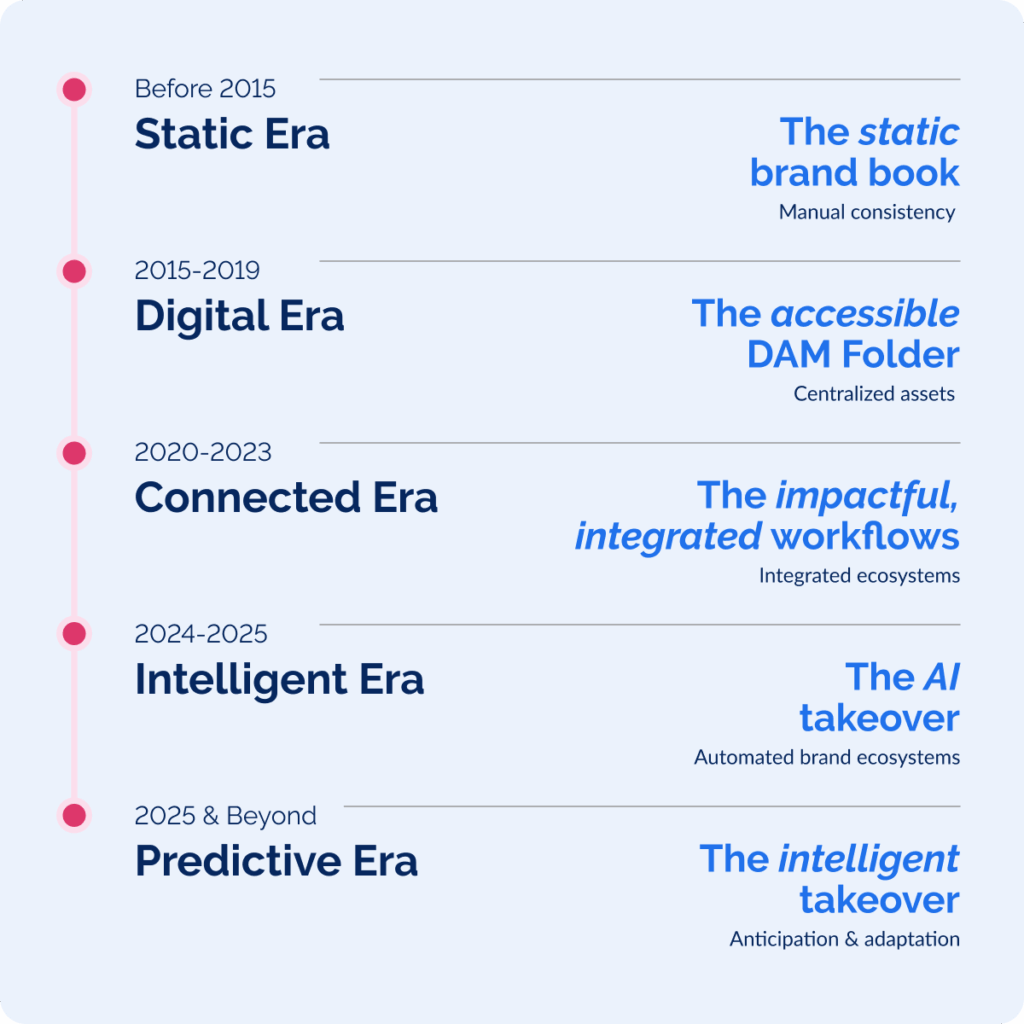
Evolution of brand management and ecosystems timeline

As brand ecosystems evolve through 2026, digital asset management software is transforming from a repository into the intelligence layer of brand management. It now connects creative automation, AI-driven metadata, and trust frameworks such as Content Credentials (C2PA) to ensure every brand interaction is authentic, compliant, and on-brand. 

Amid tightening budgets (Gartner reports that marketing budget averages just 7.7% of revenue), organizations are consolidating tech stacks and leaning on DAM to deliver measurable ROI in efficiency, governance, and creative velocity. 

How does DAM impact brand consistency?

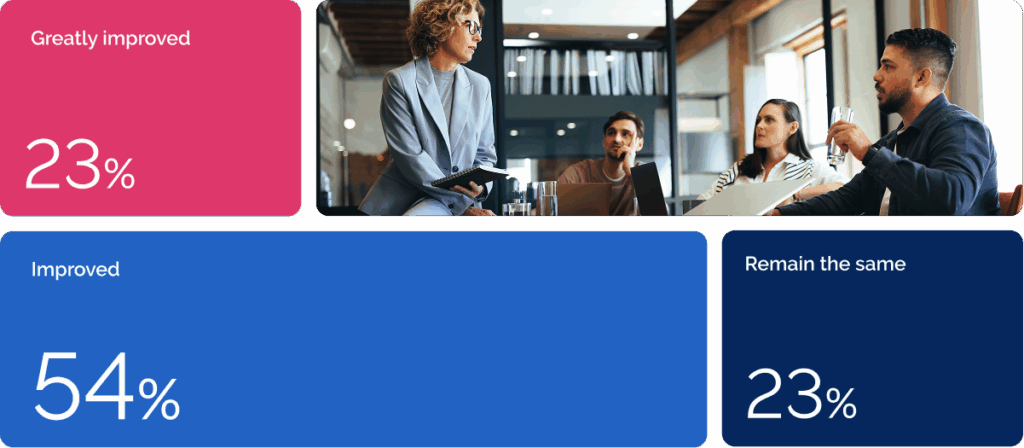
A DAM ensures every team and partner works with the right logos, templates, and approved creativity; eliminating off-brand executions. In fact, 77% of survey respondents reported improved brand consistency since adopting DAM. 

A business with consistent branding tends to experience up to 20% greater overall growth and 33% higher revenue compared to one that struggles with off-brand content.

The Brand Consistency Report, Marq

DAM impact Brand Consistency graph image

The next generation of brand management relies on AI-powered consistency; automatically tagging and surfacing the right creative for every region, audience, and platform. As teams adopt global brand hubs and templating tools, DAM systems like MediaValet enable ‘governed creativity’ by empowering distributed teams while maintaining control. 


When DAM is at the core of the brand ecosystem, in place with the right features and integrated technologies, like a templating solution and a brand hub, brand consistency jumps from 77% to 88% — an increase of 11%.

+11%


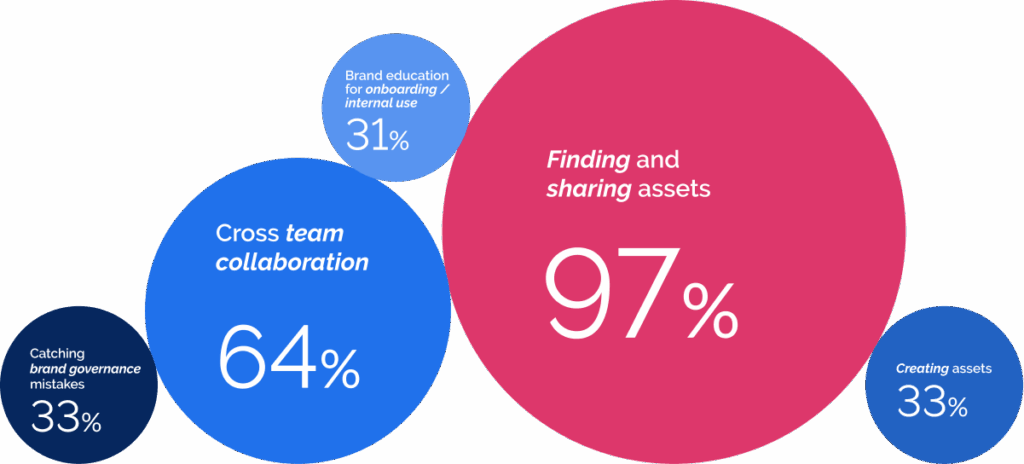
DAM can also enable an organization to overcome: cross team collaboration issues, poor brand education, brand governance mistakes, and finding assets. 

DAM enable organization to overcome graph image

How does DAM save time on branding initiatives?

By eliminating redundant searches and versioning issues, DAM saves significant time on brand-related tasks. On average, teams report saving 11 hours each week; time that can be reinvested into creative work, campaign strategy, and innovation. 

The outcome? With DAM alone, 45% of respondents achieve ROI in 6 months, but DAM and templating working together, that increases to 71% of respondents achieve DAM ROI in less than 6 months. 

>6mo

71% of respondents achieve DAM ROI in less than 6 months. 


AI-powered DAM alone saves a whopping 11 hours a week on branding initiatives. Integrate it with the right brand ecosystem tools like a templating solution, and increase that to as much a 18 hours a week—or half a working week. 

18hrs


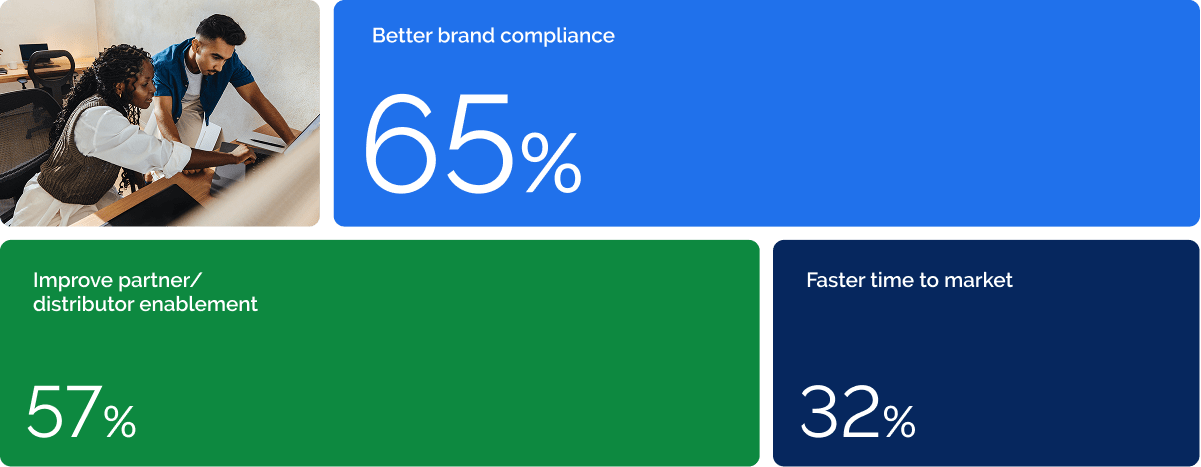
These time savings mirror a broader industry trend. As AI tools automate metadata creation, asset routing, and version control, there are incredible outcomes: 35% of marketing teams using DAM report a faster time to market, 67% see better brand compliance, and 61% improve partner/distributor enablement.

All this can shift focus shift from managing assets to impacting business outcomes. 

DAM Adoption Outcomes Graph Image

The future of brand management is DAM 

Brand management is entering a new era; one defined by authenticity, automation, and measurable impact. By 2026, leading organizations will operate with a governed ‘brand brain’, a digital asset management-centered ecosystem that unites AI, templating, and compliance under one intelligent, secure platform.

Trend 2

DAM at the Core of
Video Asset Managment

DAM has become the backbone of modern video operations. 

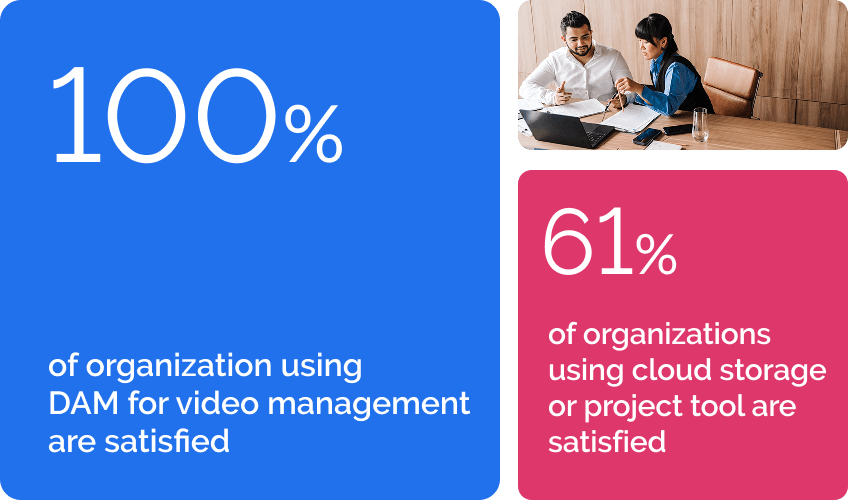
Based on the recently released Video Asset Management Report, 100% of organizations using DAM for video management are satisfied with their tool vs. just 66% of cloud storage or project management tool users. 

Tool satisfaction graph image

As video volume, formats, and distribution channels expand, organizations require a single system to control, activate, and maximize their most dynamic content. DAM centralizes video workflows, streamlines collaboration, and ensures that every team can access, edit, and share approved footage with speed and confidence. 

As video ecosystems mature, DAM is shifting from a storage system to an intelligent command center for audio-visual content. With AI-driven metadata, compliance automation, and direct-to-channel publishing, organizations are now treating video as a core business asset; not just a creative output. The result is faster delivery, measurable ROI, and new opportunities for repurposing and reuse at scale. 

Amid rising production costs and shrinking timelines, DAM gives teams the power to accelerate video creation and eliminate the manual tasks that slow them down. 

Video is the new core asset 

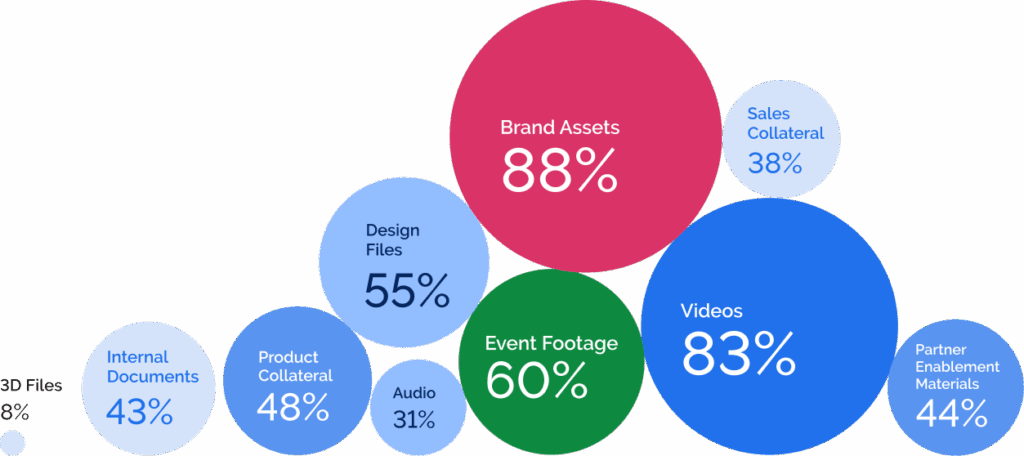
Video has become one of the most valuable digital assets organizations manage. Based on survey data, 83% of respondents reported managing video in their DAM, highlighting video’s expanding role across brand, education, and internal communication. 


Last year, only 68% of organizations reported their DAM as their video storage system, but that number has grown to 83% of organizations in 2026 — a 15% increase in just 1 year.

83%


Which assets do you store in your asset management solution?

Assets store in asset management solution graph image

And it’s pretty clear why: video management is no longer just about storage, it’s about speed and accessibility. 

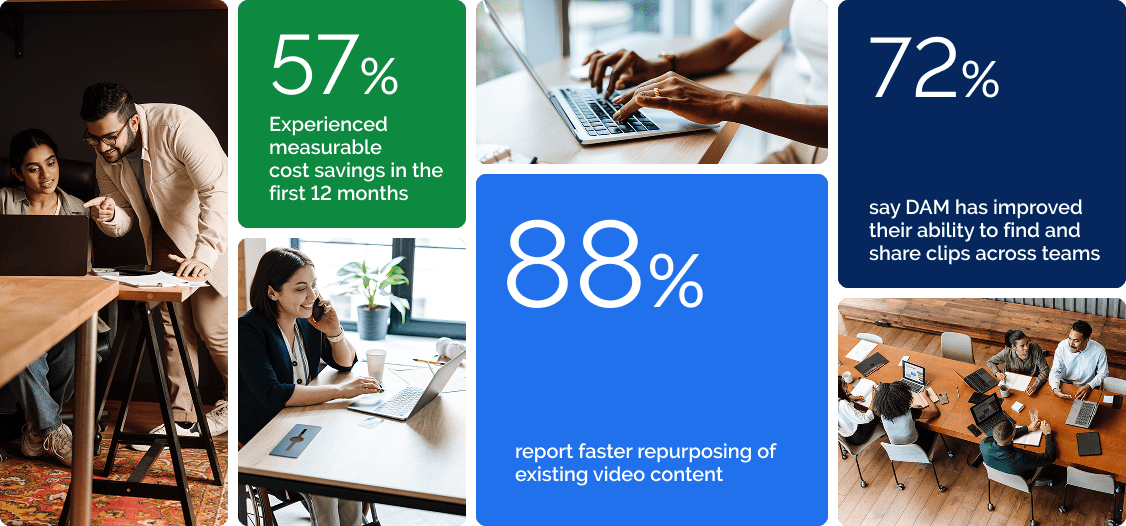
71% of teams distribute video directly through social or web channels from their DAM, and 73% report time savings from AI-powered workflows that support transcription, translation, and clip search.

AI and the audio-visual revolution 

AI is redefining how organizations manage and extract value from video. More than half (53%) of respondents use Audio Visual Intelligence (AVI) for search, transcription, and translation, signalling that video AI has entered the mainstream.

AVI turns hours of footage into searchable, reusable, and shareable clips. Among survey respondents, 77% reported that AVI capabilities are unlocking up to $1,000 in monthly savings (with a smaller, but meaningful group of about 23% seeing $1,000–$5,000 in monthly savings), driven by reduced duplication, faster localization, automated tagging, and streamlined approvals. 

And the savings go beyond financial; those using DAM for video workflows are saving about 9 hours per week on video-related tasks. 


The result? An average of 9 hours saved on video workflows per week.

9hrs


What is the impact of digital asset management for video management?

Organizations are already seeing meaningful returns from managing video in their DAM: 

Managing Video in DAM Results Graph image

With centralized storage, AI-powered metadata, and automated distribution, digital asset management platforms transform video from a static archive into an engine of creative productivity and cross-department collaboration. 

The future of video management is DAM 

Video management is entering a new era; one defined by intelligence, automation, and continuous activation. In 2026, leading organizations will rely on DAM to detect copyright generate multilingual captions, surface reuse opportunities, and provide real-time distribution insights. 

DAM is no longer a tool for video storage—it’s the operational foundation that powers every stage of the video lifecycle, from capture to creation to global delivery. 

Trend 3

DAM at the Core of Effective Project Managment

Project management platforms like Wrike, Asana, and Monday.com have long orchestrated team workflows, but without DAM, they’ve lacked the creative backbone needed to manage visual assets effectively. Now, integration between DAM and project management (PM) systems is transforming how creative operations function. 

The rise of the connected workspace 

In the 2026 survey, 84% of respondents use a project management tool alongside DAM, with Monday.com (18%), Jira (13%), and Asana (26%) leading the pack. 

However, only 21% of DAM users report full integration with a PM platform signalling a significant opportunity for growth if your organization is one of the 79% not fully integrated yet.

When truly connected, DAM and PM create a closed feedback loop: 

  • Assets are uploaded and tagged in DAM. 
  • Linked directly to tasks or campaigns in the PM space. 
  • Reviewed and approved without ever leaving the workspace. 

How do DAM and PM affect workflow efficiency and time savings?

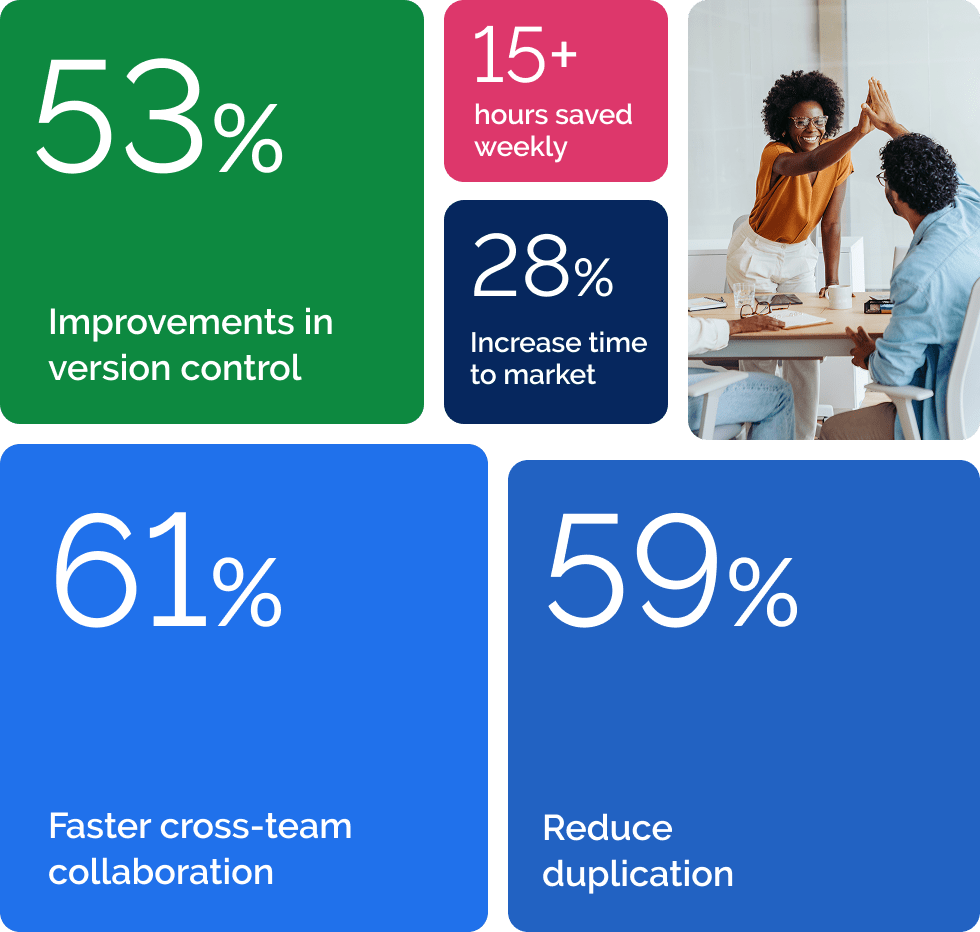
Workflow Efficiency and Time Savings graph image

Among integrated users, teams reported: 

  • 61% report faster cross-team collaboration 
  • 53% see improvements in version control 
  • 59% reduce duplication 
  • 28% increase time to market 
  • 15+ hours saved weekly on content production and approvals

How does DAM strengthen governance in project management systems? 

DAM adds the governance layer that Project Management tools lack alone; version tracking, rights management, and approval history transforming project management from coordination to controlled execution.

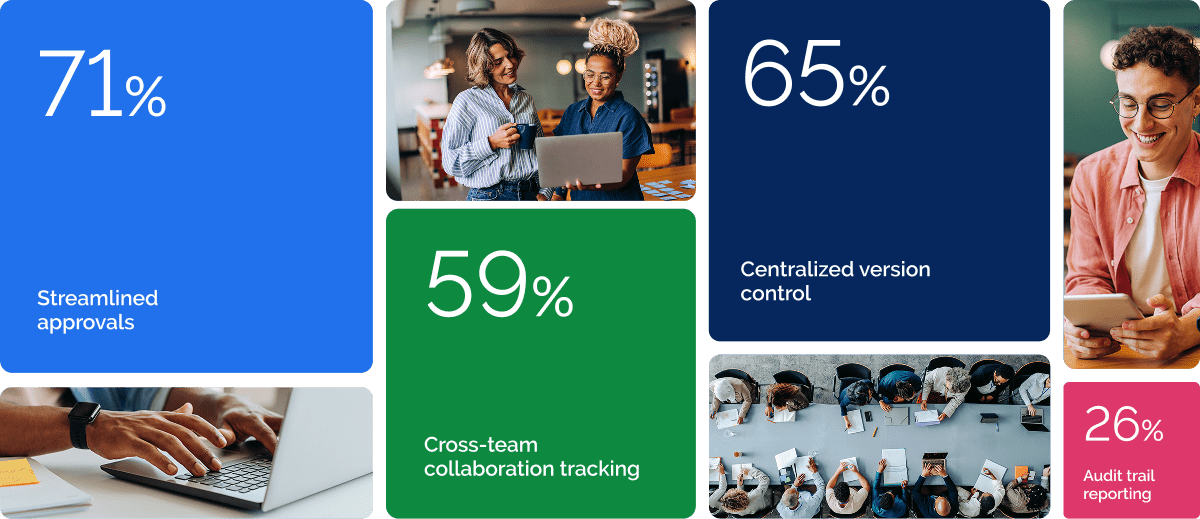
According to survey data shows 71% of respondents rely on DAM for streamlined approvals, while 65% cite centralized version control as their most valued collaboration feature.

Which governance features matter most in project management workflows?

most Valuable Governance Features Used in DAM and Project Management Workflows graph image

This governance layer is what ensures brand integrity and compliance even as workloads scale. It eliminates redundant reviews, reduces content risk, and creates an unbroken record of asset changes. As a result, creative teams move faster and with more confidence, knowing that every asset version, approval, and usage right is traceable.

The future of project-led DAM 

As generative AI becomes embedded in project management ecosystems, expect DAM to provide the intelligent asset foundation; automatically linking metadata, recommending assets for upcoming campaigns, and routing approvals in real-time. In 2026, DAM-integrated project management will evolve into orchestrated creative operations, powered by predictive asset insights. 

Already, 70% of teams report cross-functional collaboration gains tied to DAM-PM integrations, while 76% highlight improved asset accessibility and approval visibility as the biggest benefits of connecting the two systems.

In the coming years, digital asset management software will evolve to not only store and track assets but intelligently predict what’s needed next.

Trend 4

DAM at the Core of the Future of Work

The workplace has evolved beyond location, and DAM is evolving with it. As remote and hybrid work models become standard, teams are no longer defined by geography. They are defined by shared access to information, alignment on brand, and the ability to collaborate without friction. 

As remote and hybrid teams become the norm, access, compliance, automation, and collaboration have become the new success metrics for creative productivity. Digital asset management is no longer a storage solution; it’s the operating layer that holds distributed organizations together. 

The future of work is a distributed reality 

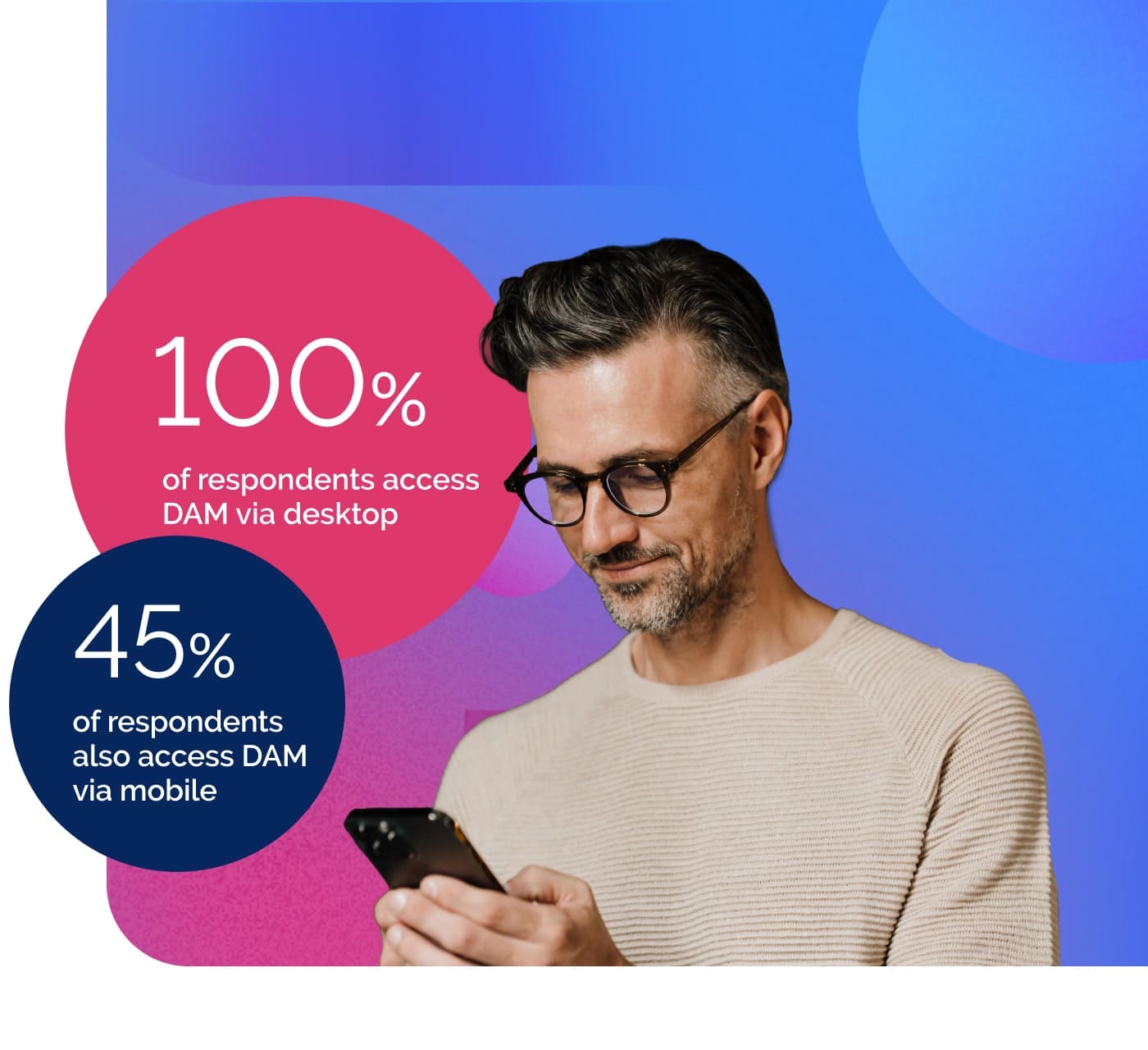
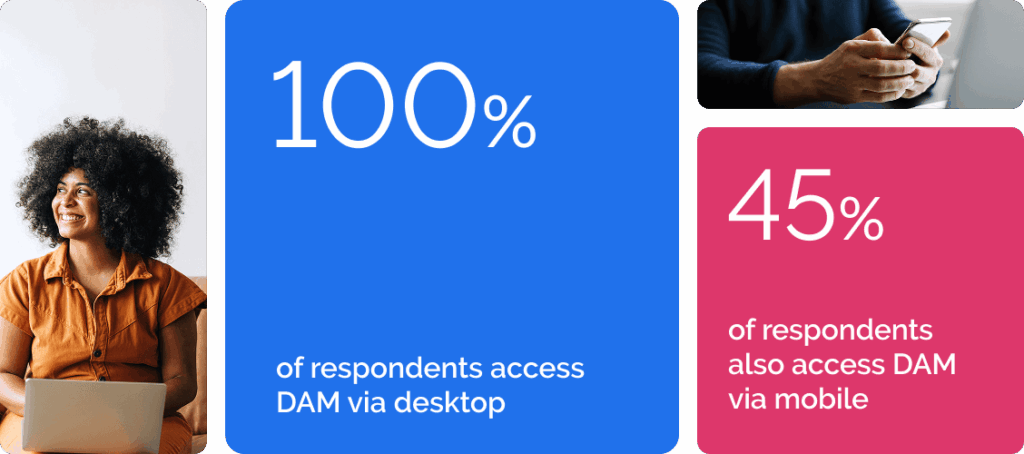
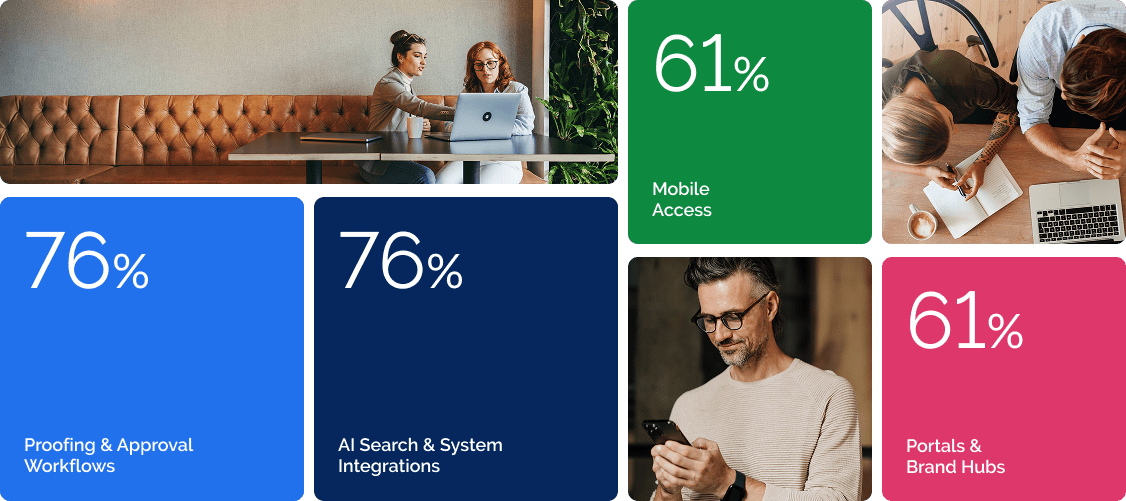
According to the 2026 DAM Trends survey, 91% of respondents say remote and hybrid access to DAM is important. And, while 100% of respondents access DAM via desktop, nearly 45% also use mobile to access the DAM, showing a clear shift toward flexible, device-agnostic workflows. 

remote and hybrid access to DAM graph image

Mobile access isn’t just a convenient feature, it’s a measurable adoption driver. 


43% of respondents reported increased platform adoption after introducing mobile access to their DAM. 

43%


This matters because adoption is the single strongest predictor of DAM ROI. 
If users don’t use the system, brand governance breaks, duplication resurfaces, and asset chaos returns. Mobile access lowers the entry barrier: stakeholders can find, approve, or share content in the moment they need it, not hours later when they’re back at their desk.

How is DAM enabling global collaboration? 

Hybrid and global teams aren’t just sharing files; remote teams are using DAM to coordinate creative, marketing, campaign execution, and brand governance across regions, time zones, and partner networks. 

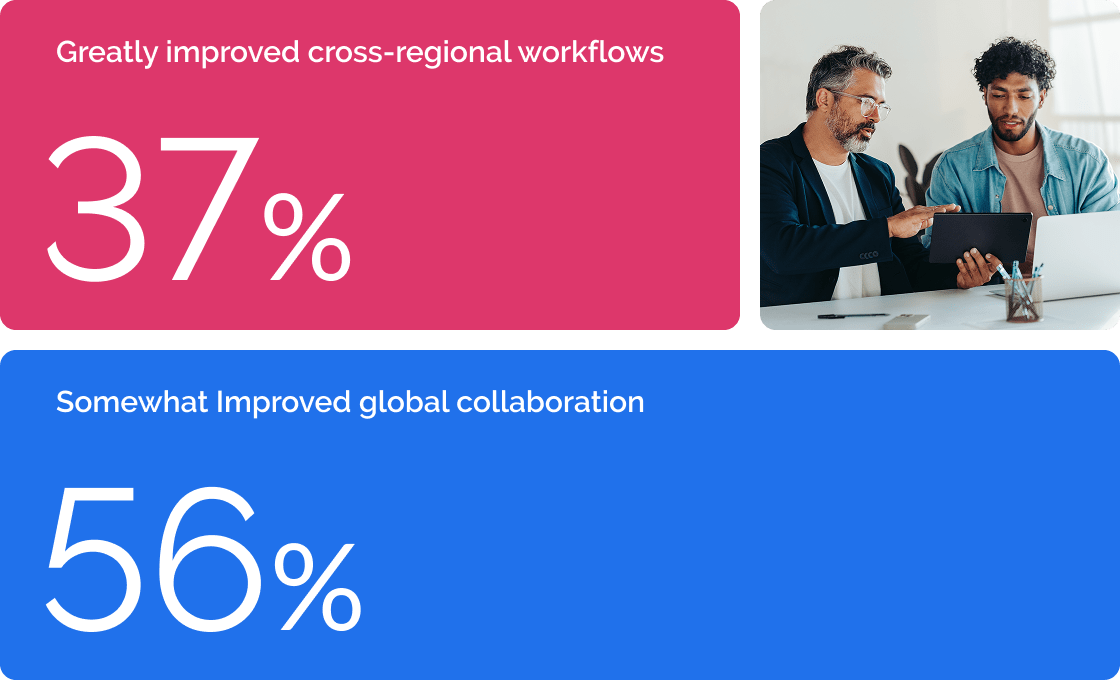
Survey respondents confirm this shift: 

DAM Enabling Global Collaboration graph image

93% of survey respondents see DAM as a core element of improved global collaboration. 

93%


What’s powering the global collaboration improvement? 

whats powering improvement graph image

While teams have adopted DAM for storage, they’re relying on DAM for better coordination. The future of work depends on seamless access, governed creativity, and real-time collaboration — all powered by DAM. 

How is digital asset management enabling global compliance?

In the distributed workplace, compliance is no longer confined to a single region or department, it’s a shared responsibility spanning global teams, partners, and creative ecosystems. Digital Asset Management now plays a central role in ensuring that governance scales alongside creativity.

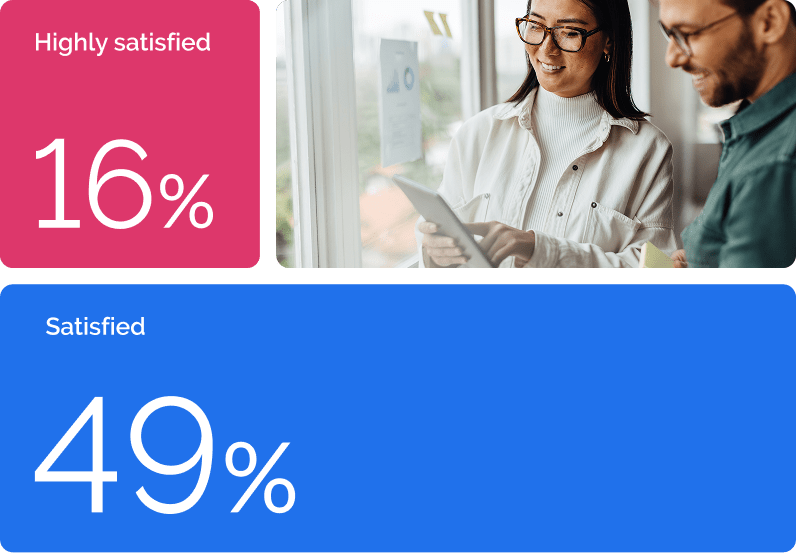
According to the 2026 survey, 65% of respondents are satisfied with their DAM’s ability to meet compliance requirements such as GDPR and HIPAA. This confidence is rooted in DAM’s structured approach to access control, audit trails, expiry management, and encryption; features that make compliance part of the workflow rather than an afterthought.

49% of respondents are satisfied and another 16% highly satisfied with their digital asset management system’s ability to meet compliance requirements.

DAMs ability to meet compliance requirements graph image

Why is compliance important?

41% of businesses without continuous compliance report slowdowns on the sales cycle as a result (Drata).

When teams operate across borders, that foundation becomes mission-critical. 60% of organizations report using DAM to collaborate safely across multiple regions without compliance risks, and nearly 70% say digital asset management systems have directly improved compliance in their organization.

AI-powered DAM is now amplifying these safeguards. Respondents ranked automated tagging of sensitive data (41%), Face Recognition (59%), AI-driven access permissions (18%), and real-time compliance alerts (26%) as the most valuable features enabling compliance. Together, these tools turn governance into an intelligent, proactive layer — one that detects risks, enforces regional regulations, and maintains trust across every market.

The next frontier however is predictive collaboration. Our respondents called out the most important features they’re on the look out for; where DAM recognizes user behavior patterns to surface relevant content, alert users to outdated materials, and suggest workflow improvements. 

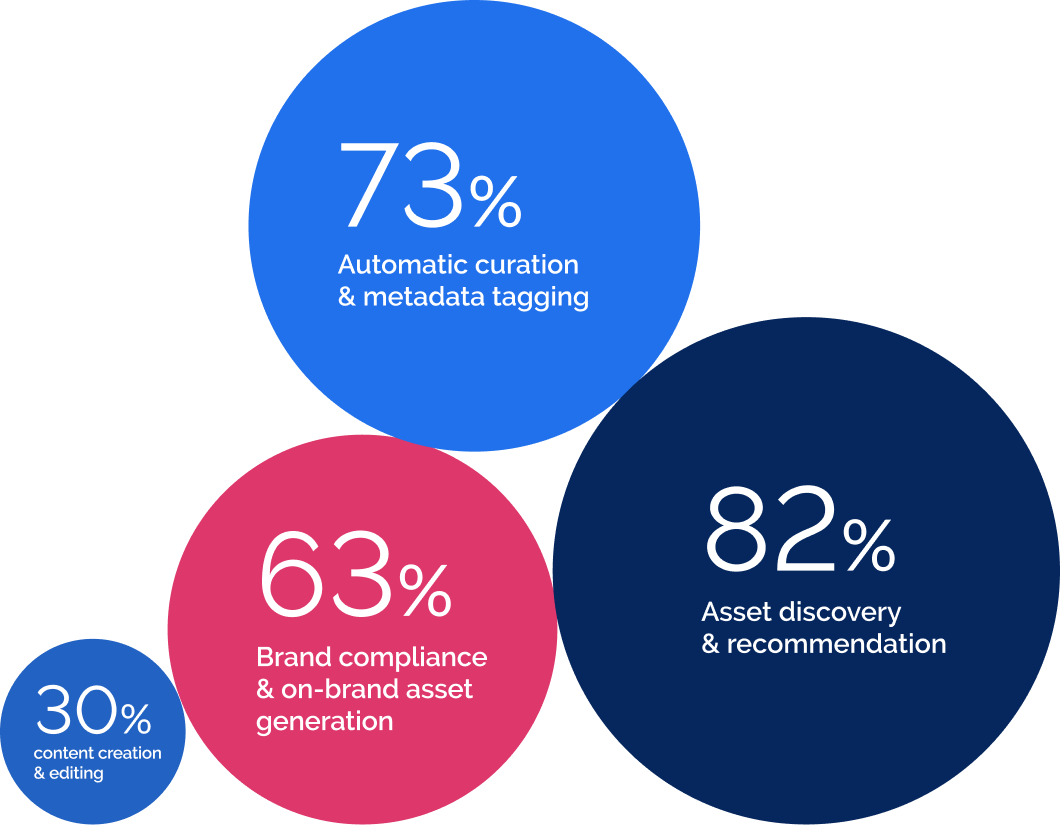
Respondents cited their top desired features for the next 2–3 years as: 

  • 63% want AI to keep assets on brand
  • 30% want AI for content generation and editing
  • 73% want AI for content curation
  • 82% want AI for asset discovery
AI and the Autonomous Workplace graph image

The future of work is DAM-powered 

As organizations balance flexibility with control, DAM provides the single source of truth that keeps distributed teams aligned and efficient. And as content becomes more global and regulations more granular, AI-powered digital asset management ensures that creative freedom and regulatory rigor can coexist.

In 2026, the workplace will no longer revolve around shared drives or scattered approvals; it will revolve around a DAM that knows what each user needs, when they need it, and how to keep every brand expression consistent. 


The 2026 DAM Trends Report reflects a shared reality: content, teams, and brand expectations are only getting more complex, and a digital asset management platform is now essential for keeping work connected, consistent, and scalable.
If you’re exploring what comes next for your organization, take the DAM Needs Assessment, a quick guided exercise to clarify your priorities and maturity stage. 

If you’re ready to see how a leading digital asset management vendor like MediaValet can centralize your content infrastructure and transform the way your teams collaborate and create, book a demo with our team


Frequently Asked Questions about Digital Asset Management

The DAM Trends Report is an annual, data-driven analysis of how organizations are using Digital Asset Management software to improve brand consistency, accelerate content operations, strengthen compliance, and unlock new value from AI.

The 2026 edition includes insights from organizations across industries, including nonprofit, higher education, healthcare, manufacturing, government, and technology and reflects teams of all sizes, from mid-market to global enterprise.

The report examines:

  • Time savings across brand, content, and video workflows
  • How DAM integrates with project management systems
  • The rise of AI-powered metadata, compliance, and automation
  • The evolving needs of distributed and remote teams
  • The shift toward DAM as the core of the content ecosystem

The DAM Trends Report serves as a benchmarking resource for marketing, creative, operations, and digital leaders assessing their current workflows and planning future content infrastructure.

A Digital Asset Management (DAM) system centralizes all digital files: images, videos, documents, templates, and makes them easily searchable, governed, and shareable across teams.

Brand Asset Management (BAM) tools, on the other hand, focus primarily on brand consistency and providing access to approved brand assets.

Think of BAM as a subset of what DAM does. DAM improves the entire content lifecycle, while BAM focuses on the brand layer.

DAM connects directly with PM platforms like Wrike, Asana, and Monday.com to bring version control, approval workflows, governance, and asset visibility into project tasks.

A DAM and PMS integration eliminates duplicate work, ensures teams always use the correct assets, and reduces approval timelines.

That’s why 71% of 2026 DAM Trends survey respondents say DAM streamlines collaboration in PM systems.

While VAM platforms specialize in handling video-specific workflows like editing, transcribing, clipping, and distribution; DAM offers a broader, multi-format approach.

A modern DAM includes powerful video capabilities (AI tagging, transcription, versioning, and secure delivery) while also supporting images, documents, templates, and more.

For most organizations, a DAM replaces the need for a separate VAM entirely.

Read the Video Asset Management Report to find more detailed information on DAM vs VAM.

Enterprise DAM platforms like MediaValet use role-based access control, SSO, audit trails, encryption, redundant storage, multi-region hosting, and detailed permissions to ensure that teams across global markets work securely.

According to the 2026 DAM Trends Report, 69% of teams cite governance and access controls as critical compliance enablers, especially for organizations navigating GDPR, HIPAA, and region-specific content regulations.

You can learn more about DAM security measures here.

Organizations typically outgrow their existing content systems long before they realize it. The signs are clear: slow or inconsistent search results, frequent asset duplication, version-control issues, scattered approvals, and rising off-system storage (Google Drive, SharePoint, desktops).

You may also be ready to migrate to a new DAM if:

  • Adoption is low and users avoid the platform
  • Integrations or metadata structures no longer meet your needs
  • Your DAM can’t support video workflows, templating, AI, or compliance requirements
  • Your vendor charges per-user fees that restrict scaling
  • You’re stuck in a long-term contract that limits innovation

If your current DAM is limiting your growth, migration is often the most cost-effective path forward.

You can learn more about migrating DAM system in this webinar.

DAM pricing typically depends on your storage needs, feature requirements (AI, templating, portals, video tools), and support level. But not all pricing models are created equal.

MediaValet offers unlimited admin and end users, allowing teams to grow, collaborate, and adopt the DAM freely, without hidden seat fees or budgeting constraints. This means:

  • No penalties for scaling
  • No surprise fees as your team expands
  • Predictable pricing that supports long-term growth

Platforms like Bynder use tiered pricing models that require teams to confirm user numbers in advance.

Frontify charges by Monthly Active Users (MAU) so every unique login in a month adds to your bill. This discourages occasional or external users. Growth is possible, but it requires ongoing budgeting, forecasting, and costs every time new team members join.

MediaValet, on the other hand, includes unlimited users at no extra cost, ensuring adoption across your entire organization without surprise charges. Learn more about MediaValet’s Digital Asset Management Pricing here.

It’s time for a better DAM system.

Choosing MediaValet is about more than storage—it’s choosing a partner that empowers your team to do more. Ready to work smarter and scale faster? Book a demo today.

  • Scale without limits with unlimited users
  • Budget accordingly with transparent pricing from day 1
  • Unlock core AI capabilities that save hours every week
  • Accelerate implementation and ROI
  • Improve brand consistency with embedded tools

Webinar

When to Make the Switch: Knowing it’s Time for a DAM Migration

Is your DAM still driving efficiency or holding your team back? Join Leah Chapman as she reveals the key signs it’s time to move on from your current system, the hidden costs of sticking with the wrong platform, and a clear framework for choosing the right replacement.

She'll dive into:

  • The red flags that signal your DAM is holding you back
  • How to calculate the real and hidden costs of “making do”
  • A step-by-step approach to assessing and selecting your next DAM
  • Tips for ensuring a smooth and strategic migration

Learn how to evaluate new solutions confidently and plan a smooth transition that sets your team up for long-term success.

Webinar DAM Week Fall 2025 Make the switch hero

Speakers

Leah Chapman MediaValet

Leah Chapman

Director of Sales, MediaValet

It’s time for a better DAM system.

Choosing MediaValet is about more than storage—it’s choosing a partner that empowers your team to do more. Ready to work smarter and scale faster? Book a demo today.

  • Scale without limits with unlimited users
  • Budget accordingly with transparent pricing from day 1
  • Unlock core AI capabilities that save hours every week
  • Accelerate implementation and ROI
  • Improve brand consistency with embedded tools

Webinar

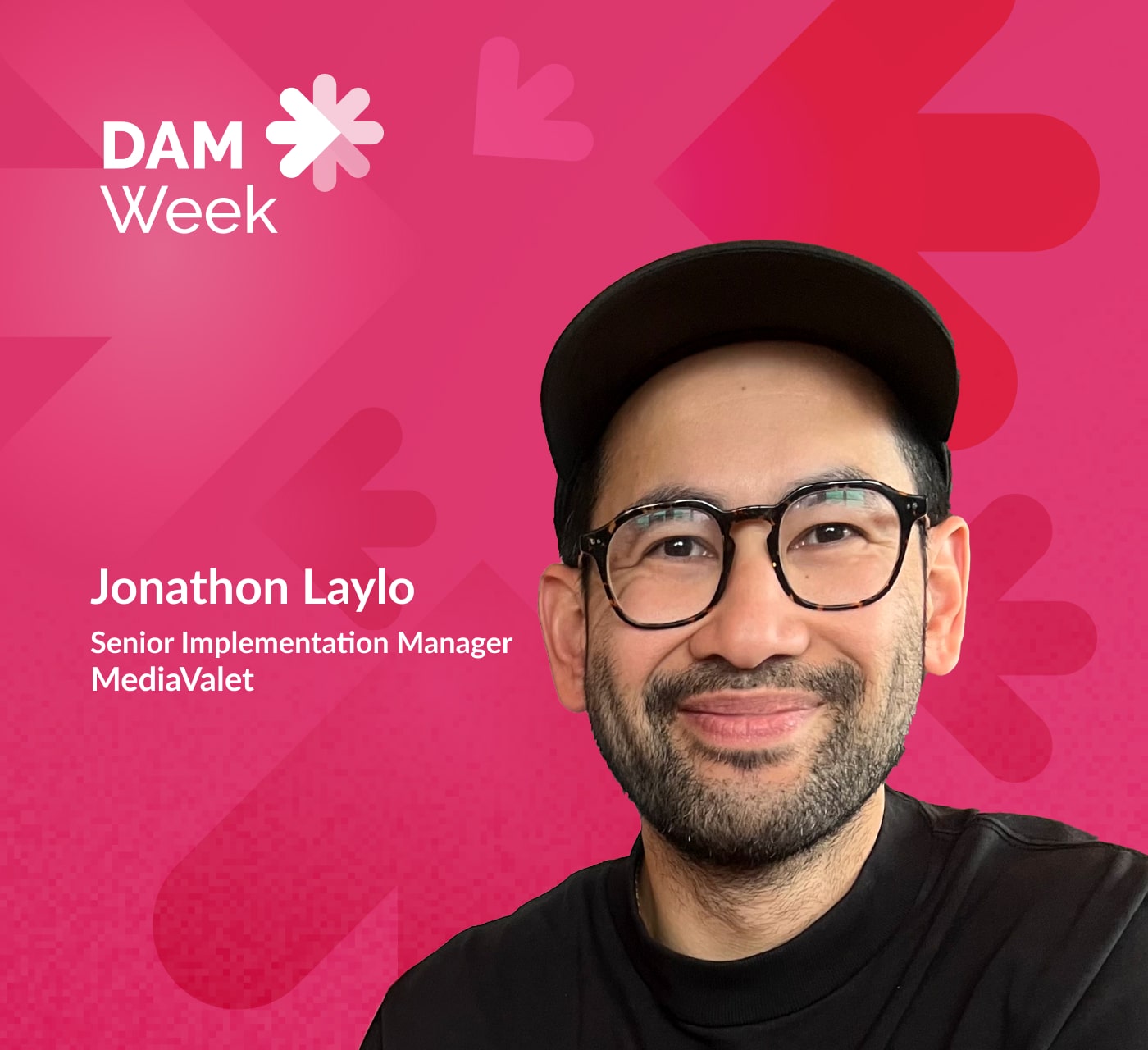
How DAM Onboarding Shapes Adoption and Long-Term DAM Success

A successful DAM launch doesn’t end with go-live, it begins there. In this session, we’ll explore how a thoughtful onboarding strategy transforms new users into confident advocates, ensuring your DAM delivers long-term value.

We unpack proven approaches to designing an onboarding experience that builds momentum from day one. You’ll learn how to:

  • Turn uncertainty into confidence through clear guidance and structured learning
  • Drive adoption and engagement across teams with practical onboarding touchpoints
  • Measure success and demonstrate value to stakeholders

Gain the insights and frameworks to create a launch that lasts, turning first-time users into loyal champions.

DAM Week Fall 2025 From Launch to Loyalty hero

Speakers

Jonathan_Laylo_MediaValet

Jonathon Laylo

Senior Implementation Manager, MediaValet

It’s time for a better DAM system.

Choosing MediaValet is about more than storage—it’s choosing a partner that empowers your team to do more. Ready to work smarter and scale faster? Book a demo today.

  • Scale without limits with unlimited users
  • Budget accordingly with transparent pricing from day 1
  • Unlock core AI capabilities that save hours every week
  • Accelerate implementation and ROI
  • Improve brand consistency with embedded tools

Webinar

How to Change DAM System Without Losing Your Assets (or Your Sanity)

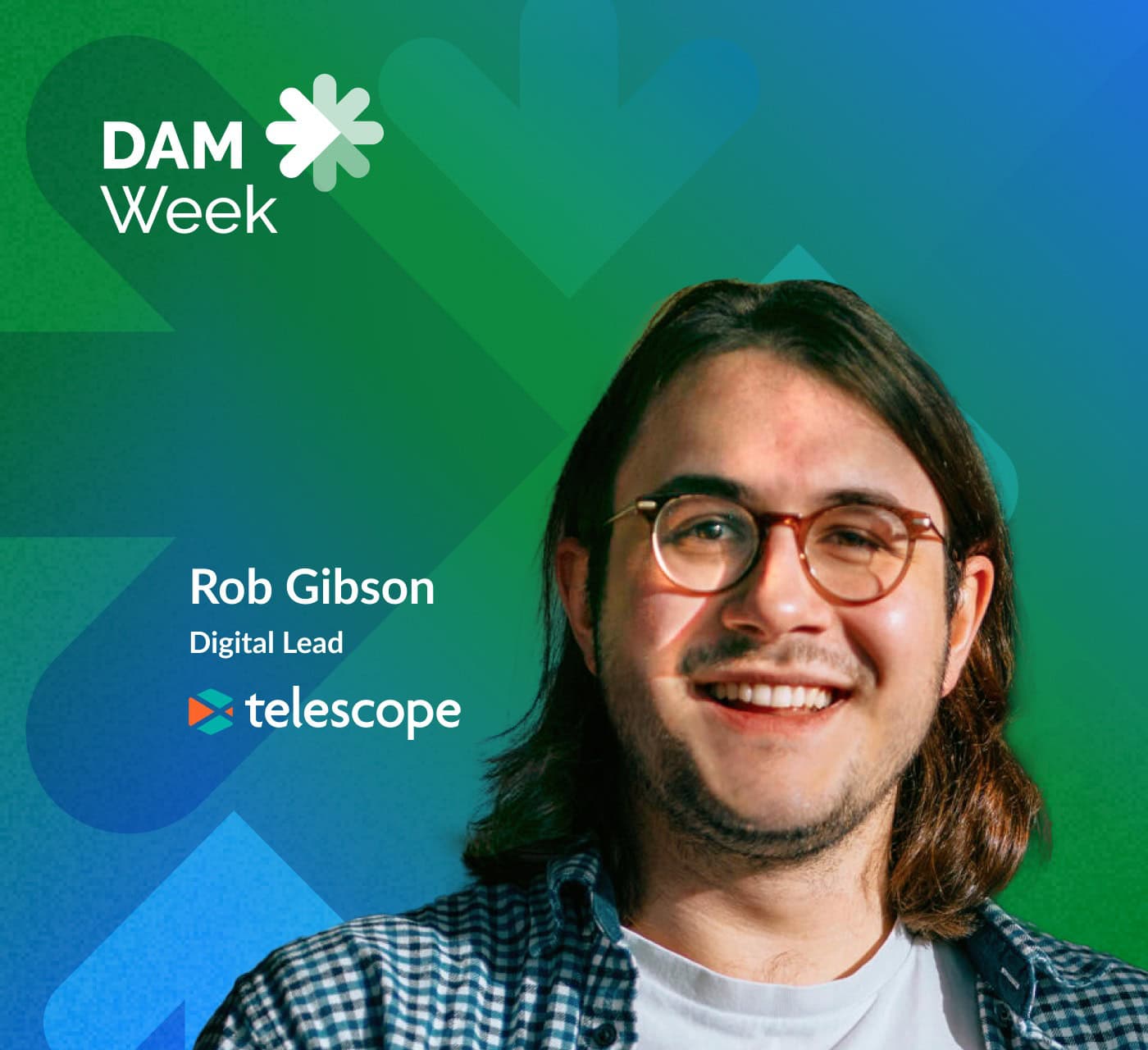
Join Rob Gibson, Digital Lead at Telescope, as he shares his real-world journey of moving from an on-premise DAM to a modern, scalable solution.

Hear how Rob tackled Telescope’s toughest migration hurdles and what he wishes he’d known from the start: insights to help you save time and avoid common pitfalls.

Key takeaways:

  • How to evaluate whether your current DAM is holding you back
  • Steps for planning a smooth migration to a new platform
  • Common pitfalls and lessons learned along the way
  • Strategies for better metadata management and governance

Whether you’re considering a DAM migration or looking to optimize your current setup, this is an opportunity to learn from an industry peer who’s lived the DAM evolution firsthand.

Webinar DAM Week Telescope hero - Rob Gibson, Digital Lead, Telescope

Speakers

Rob Gibson Telescope

Rob Gibson

Digital Lead, Telescope

It’s time for a better DAM system.

Choosing MediaValet is about more than storage—it’s choosing a partner that empowers your team to do more. Ready to work smarter and scale faster? Book a demo today.

  • Scale without limits with unlimited users
  • Budget accordingly with transparent pricing from day 1
  • Unlock core AI capabilities that save hours every week
  • Accelerate implementation and ROI
  • Improve brand consistency with embedded tools